
A serious injury involving a machine, vehicle component, or other product can raise questions beyond who was operating it. The Louisiana products liability act provides a framework for certain claims alleging that a product’s characteristic made it unreasonably dangerous and caused injury. Whether it applies depends on the product, the alleged defect, the evidence, and the circumstances of the incident.
Request a free, confidential case evaluation
What does the Louisiana products liability act cover?
Louisiana’s Products Liability Act, commonly called the LPLA, addresses claims against a product manufacturer for damage caused by an unreasonably dangerous product. It is not a general guarantee that every product-related injury leads to a claim. An injured person generally must connect a legally recognized defect to the injury and establish the elements required by the law.
The statute identifies several ways a product may be unreasonably dangerous: because of its construction or composition, its design, inadequate warnings, or failure to conform to an express warranty. The evidence and legal test differ with the theory. A worn tool, a machine with a missing guard, a component that breaks during ordinary use, and a product with unclear safety instructions are not automatically the same kind of case.
The LPLA is focused on manufacturer liability. It does not mean every seller, distributor, employer, or repair shop is automatically responsible under that statute. Other legal theories or parties may require separate analysis. An attorney should identify who made the product, what each party did, and which legal framework fits the facts.
Why can a product issue matter in a catastrophic injury?
Catastrophic harm can result from the interaction of many things: a vehicle collision, a workplace process, a machine, a component, maintenance, instructions, or decisions about how the product was used. A product may be one part of the sequence, rather than the only cause. For example, a severe injury at an industrial site might prompt questions about a machine guard, a failed component, warnings, training, and the way the equipment was maintained.
That does not establish that a product was defective. It shows why preserving the actual item and records can matter before anyone reaches a conclusion. A product inspection may reveal a condition, but evaluating whether that condition meets the legal test often calls for technical evidence and careful review of the product’s design, manufacture, warnings, and use.
Louisiana’s statute defines the relevant product and the manufacturer’s responsibility in legal terms. A claim can also involve serious questions about causation: did the alleged characteristic cause the injury, and would the injury have occurred without it? A case review should consider the injury evidence alongside the product and incident evidence.
Which defect theories may be considered?
Construction or composition
A construction or composition theory concerns whether the particular product deviated from its specifications or from otherwise identical products. The question is not simply whether an item broke. Investigators may need to determine what the product was supposed to be, how it was made, whether it differed from the intended specifications, and how that difference related to the injury.
Useful evidence may include the product itself, serial and model numbers, manufacturing or inspection records, maintenance history, photographs, and information about similar products. The condition of the item can change after an incident, so do not repair, discard, or alter it before getting advice about preservation.
Design
A design theory concerns the product’s design, rather than an isolated departure in one unit. The legal analysis considers whether the product’s design was unreasonably dangerous under the applicable statutory standard. Relevant questions may include how the product was intended to work, what risks it presented, whether a safer alternative design was available under the law’s requirements, and whether the design caused the injury.
These issues can require engineering or other expert analysis. A serious accident alone does not prove the design was defective. The product’s intended use, foreseeable uses, warnings, available design information, and the incident mechanics all may matter.
Inadequate warning
A warning claim may concern whether an adequate warning or instruction was provided about a product-related risk. The inquiry can include what warnings came with the product, where and how they appeared, who received them, and whether a different warning would have affected the conduct that led to the injury. A missing label or confusing manual may be worth documenting, but it does not by itself establish liability.
Keep packaging, manuals, safety labels, training documents, and photographs of warning locations. If a warning was removed or obscured, record what you observed and when. Avoid rewriting, annotating, or discarding original materials.
Express warranty
A product may also be alleged to be unreasonably dangerous because it did not conform to an express warranty. Preserve the exact language used in packaging, advertising, sales documents, instructions, and written communications. A general statement of praise is not necessarily an express warranty; the precise representation and its connection to the product and injury need legal review.
What should you do to preserve product evidence?
When the injured person is receiving emergency care, medical needs come first. Once it is safe, practical steps may help preserve information without interfering with treatment, workplace safety, or an official investigation.
- Do not discard or modify the product. Avoid repairs, cleaning, disassembly, or returning it to a seller unless a qualified person has advised you how to preserve it. If it is at a worksite or belongs to someone else, do not remove it without authorization.
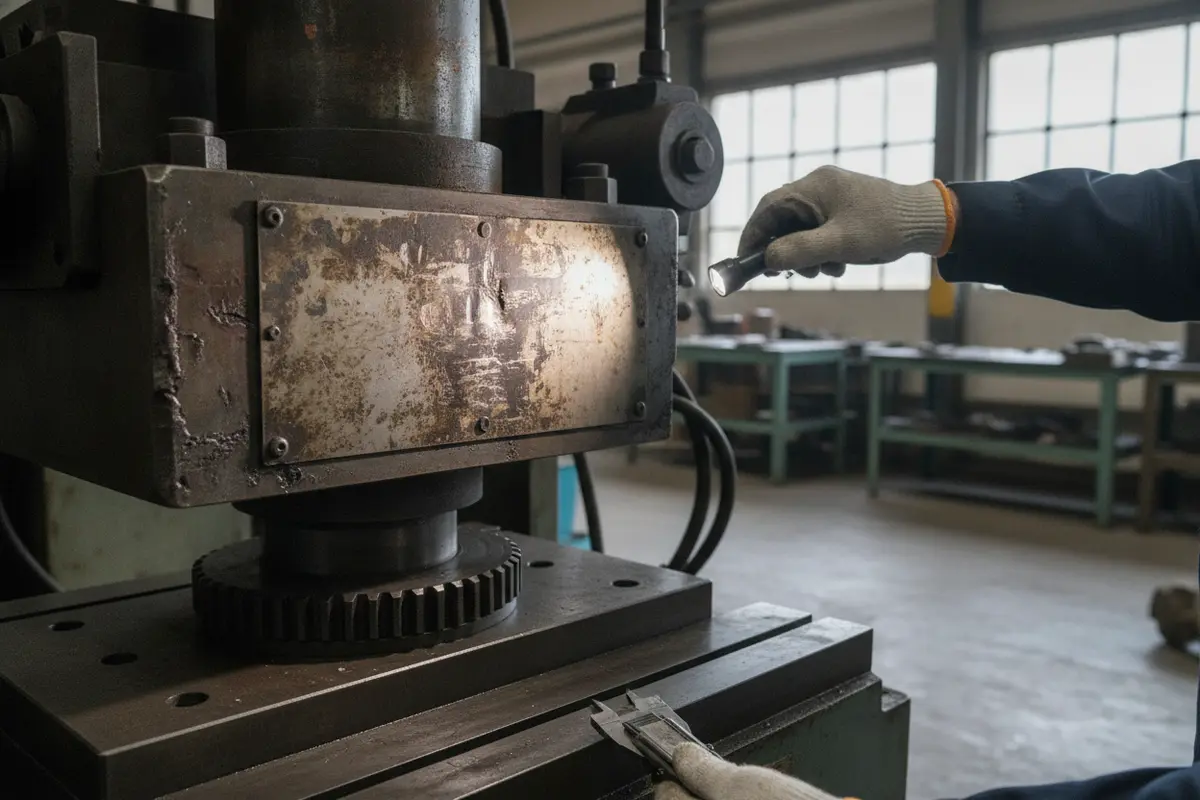
- Record identifying details. If safe, photograph the product from several angles and capture brand, model, serial, lot, and part numbers. Include the surrounding scene and any visible damage, but do not put yourself at risk to take pictures.
- Keep related materials. Save packaging, manuals, purchase or delivery records, maintenance logs, inspection reports, work orders, and written safety instructions. Keep originals in a safe place and make copies for reference.
- Write down what happened. Note the date, location, people present, how the product was being used, what happened immediately before and after, and when symptoms began. Separate what you personally saw from what someone else told you.
- Identify witnesses and records. Record names and contact information for witnesses, and note whether surveillance video, machine logs, vehicle data, incident reports, or communications may exist. Such records may be overwritten or lost, so mention them promptly to counsel.
- Follow medical advice. Keep records of evaluations, diagnoses, treatment, restrictions, and how the injury affects daily life. Do not delay necessary care to gather evidence.
In a work injury, report the incident through the appropriate workplace process and keep a copy of what you submit. Do not take confidential company materials or violate safety rules. An attorney can discuss lawful ways to request records and preserve evidence.
How can the parties and evidence become more complicated?
A product incident can involve a manufacturer, a component maker, a distributor, an employer, a maintenance contractor, or another person or company. Their roles are not interchangeable. The manufacturer is the central defendant under the LPLA, but identifying the correct entity and determining whether another legal claim may apply can require investigation.
For a vehicle crash, for instance, evidence may concern the vehicle, a particular component, roadway conditions, driver conduct, and maintenance. In a workplace incident, the inquiry may include the equipment, employer procedures, maintenance and inspection records, and whether a third party supplied or serviced the item. One fact pattern can raise multiple legal issues, and the availability of any claim depends on the facts and applicable law.
Do not assume that an employer’s workers’ compensation process answers every question about a product or third party. Nor should anyone assume that a product claim automatically exists alongside another claim. The legal relationship among the parties and the applicable deadlines need an individual review. Inzina Law describes work-related injury matters separately from product claims; see its Louisiana workers’ compensation information and product liability page.
What does Louisiana law require in general?
The LPLA appears in Louisiana Revised Statutes Title 9, Chapter 28. The statute sets out the definitions and theories that govern a manufacturer’s liability for product-caused damage. A law review article from the Louisiana Law Review discusses the Act’s development and framework; it can provide background, but it is not a substitute for the current statute or advice about a particular incident.
Read the Louisiana Law Review article on the Louisiana Products Liability Act as scholarly context. Because laws and interpretations can change, a lawyer assessing a present claim should verify the current statutory text and relevant decisions rather than rely only on an older article or a general online summary.
Questions can also arise about who qualifies as a manufacturer, whether the product was unreasonably dangerous when it left the manufacturer’s control, whether a change or misuse affected the product, and whether the alleged defect caused the injury. The answer cannot be determined from the severity of the harm alone.
| Potential issue | Examples of useful information | Why it may matter |
|---|---|---|
| Product identity and condition | Model, serial or lot number; photographs; retained item | Helps identify the product and document its condition after the incident |
| Manufacture or component | Specifications, inspection records, repair history, parts | May help evaluate a claimed deviation or component issue |
| Design and use | Instructions, intended use, operating conditions, technical records | May inform the design theory and how the incident occurred |
| Warnings or warranty | Labels, manuals, packaging, sales statements | May help assess warnings, instructions, or an express-warranty theory |
| Causation and injury | Incident reports, witness accounts, medical records, expert review | Connects the alleged product condition with the harm and its extent |
What should you prepare before a case evaluation?
You do not need to solve the legal questions before asking for a review. A concise account and the materials already available can help an attorney understand what happened and identify what may need to be preserved. If some records are unavailable, do not delay seeking advice simply to gather a complete file.
- A short timeline of the incident and medical treatment.
- Photographs or video of the product, scene, and visible damage, if lawfully obtained.
- The product’s identifying information and where the product is now.
- Names of witnesses and the location of possible video or digital records.
- Any incident report, product manual, maintenance record, or communication already in your possession.
- Information about related insurance or workplace processes, without guessing about coverage or fault.
Keep communications factual. Do not speculate about a technical cause you cannot verify, post sensitive details publicly, or sign a release or discard evidence without understanding the consequences. If an insurer, employer, or other party asks for a statement or access to the product, consider getting legal advice before responding.
How can a Louisiana injury lawyer help assess the issue?
An attorney can review the incident facts, identify possible parties and legal theories, and discuss what evidence may need prompt preservation. Product cases can require coordination with technical experts and careful handling of the item itself. A lawyer can also assess how a potential product claim relates to other injury claims, without assuming that a particular defendant or remedy applies.
Inzina Law Injury Attorneys is a Louisiana personal injury firm led by Blase and Erica Inzina. The firm offers a free, confidential case evaluation. An evaluation is an opportunity to discuss the facts and possible next steps; it is not a promise that a claim will be accepted or that compensation will be recovered. Fee arrangements and case-specific terms should be reviewed in a written engagement agreement.
For related background, you can read about personal injury representation in Louisiana, the firm’s attorneys and approach, and its explanation of filing deadlines for Louisiana injury claims. Deadlines depend on the claim and facts, so do not rely on a general article to calculate a date.
Discuss the incident in a free, confidential evaluation
What this article can and cannot tell you
This article provides general information, not legal advice or an assessment of a specific product or injury. The governing law, relevant evidence, and deadlines must be evaluated for the particular circumstances. If a product may be involved in a serious injury, preserving it and getting timely, case-specific guidance can help clarify what questions to ask next.


